City Life
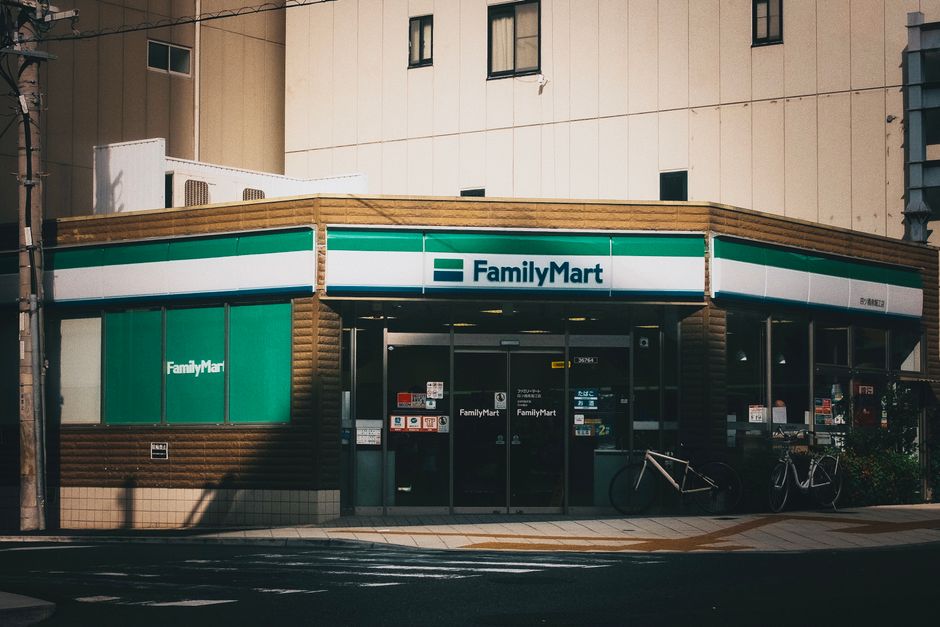
Every neighborhood has one: the corner store with the hand-painted sign, the cat asleep on a stack of newspapers, the owner who knows exactly which brand of chips you buy when you've had a bad day. In New York they're bodegas; in Philadelphia they're corner delis; in Chicago they're the mom-and-pop on the block. Whatever you call them, they serve a function that no chain convenience store has ever quite replicated. They are not just places to buy things. They are places to be known.
Lately, though, these small storefronts are vanishing. Rising rents, competition from delivery apps, and the slow creep of chain stores have pushed many longtime owners out. When a bodega closes, the neighborhood loses more than a place to buy milk at midnight. It loses a node in the social network — a spot where the retiree and the teenager and the night-shift nurse all cross paths. The city becomes a little more efficient and a little less human.
What makes a corner store special isn't the inventory. It's the relationship. The owner remembers that your kid is allergic to peanuts. They hold your package when you're not home. They let you run a tab when you're short a dollar. These small gestures add up to something that economists have a hard time measuring but residents feel immediately: trust. In a big city, trust is scarce and precious, and corner stores are one of the few places where it accumulates naturally.
They also serve as informal information hubs. Need to know which laundromat is reliable? Ask the guy behind the counter. Want to find a good tamale? The bodega owner knows a woman two blocks over. This kind of local knowledge can't be replicated by an algorithm, no matter how good the recommendation engine. It's earned through years of showing up, day after day, in the same small space.
When a corner store closes, the block feels different. The awning comes down, the lights go off, and suddenly there's a gap in the streetscape. Often a bank or a chain pharmacy moves in — useful, sure, but anonymous. Nobody lingers. Nobody chats. The sidewalk becomes a corridor instead of a living room. City planners have started to pay attention to this, though. Some municipalities now offer tax breaks or rent subsidies to small independent retailers, recognizing that the value of a corner store isn't captured in its profit margin.
If you love your local corner store, the best thing you can do is shop there. Not out of pity, but out of recognition that you're getting something a big-box store can't offer: a relationship. Buy your snacks there. Say hello by name. Let the owner know you appreciate them. In a city that's constantly changing, these small acts of loyalty are how neighborhoods hold onto their character. The bodega isn't just a store. It's the block's living room, and once it's gone, it's very hard to get back.
