Local Business
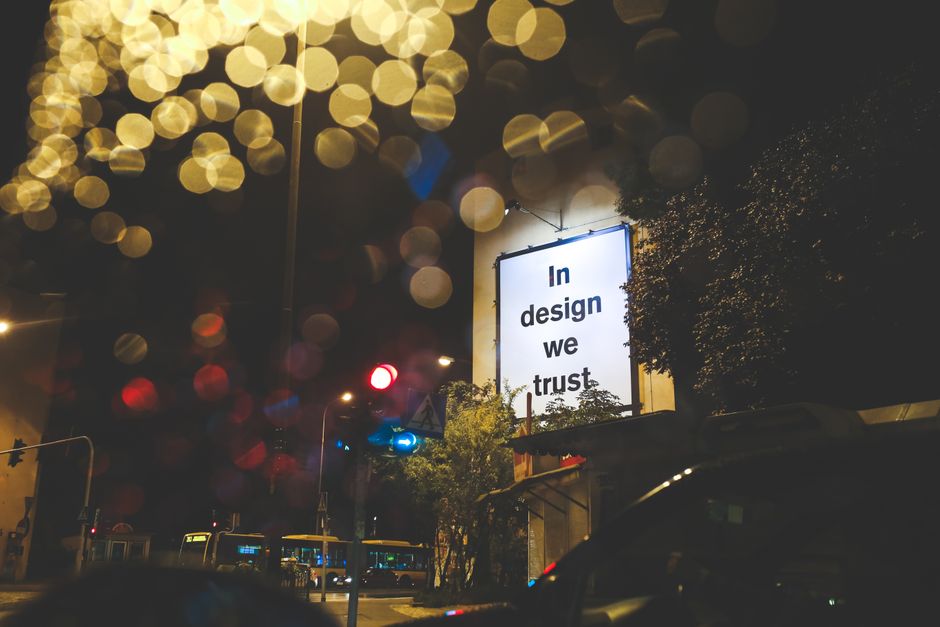
There is no city like a city at 1 a.m., and there is no view of it quite like the one from the back of the night bus. The daytime crowd — commuters, students, tourists — has gone home. What's left is a different population: nurses coming off shift, line cooks heading home, night owls, insomniacs, people who just missed the last train and are too stubborn to pay for a cab. The night bus is the city's confessional, its living room, its last resort. And for those who ride it regularly, it's a kind of community.
Transit agencies don't advertise the night bus. It's not glamorous. It comes every thirty minutes, sometimes every hour, and it takes the long way around. But for the people who depend on it — the ones whose jobs start or end when most of the city is asleep — it's a lifeline. It's also, if you pay attention, one of the most interesting places in town.
On any given night, the bus might carry a hospital worker eating cold noodles from a Tupperware, a DJ hauling a crate of records, a teenager who stayed out too late and is now pretending to sleep so nobody talks to them, and an older man who rides the full loop just to have somewhere to be. Nobody asks questions. There's an unspoken etiquette to the night bus: you mind your business, but you also, in some small way, look out for each other. If someone's nodding off, the driver might call out their stop a little louder. If someone looks like they're in trouble, another passenger might quietly move closer.
The drivers, too, are a breed apart. Night shift drivers tend to be veterans, and they know their routes intimately — which stops have the sketchy lighting, which corners flood in the rain, which regulars will be waiting. Some of them greet passengers by name. Some keep the heat on a little higher than necessary, because they know how cold the city gets after midnight. The bus becomes a small, moving shelter, and the driver is the host.
Riding the night bus changes how you see the city. You notice things you'd never see in daylight: the way certain intersections glow under sodium lights, the alleys where food trucks park after hours, the corner where a group of friends always seems to be saying goodbye. The city feels smaller and more intimate, stripped of its daytime performance. You start to understand how the whole thing actually works — who keeps it running while everyone else sleeps, and how they get home.
If you've never taken the night bus, consider it. Not as a necessity, but as an experience. Pick a route that loops through a part of town you don't know well. Bring headphones, but leave one ear open. Watch the city slide by. You'll probably be the only person on the bus who's there by choice, and that's fine. The night bus doesn't judge. It just keeps moving, carrying its quiet cargo of night-shift workers and wanderers, until the sky starts to lighten and the daytime city takes over again. It's the most honest ride in town.
