Urban Culture
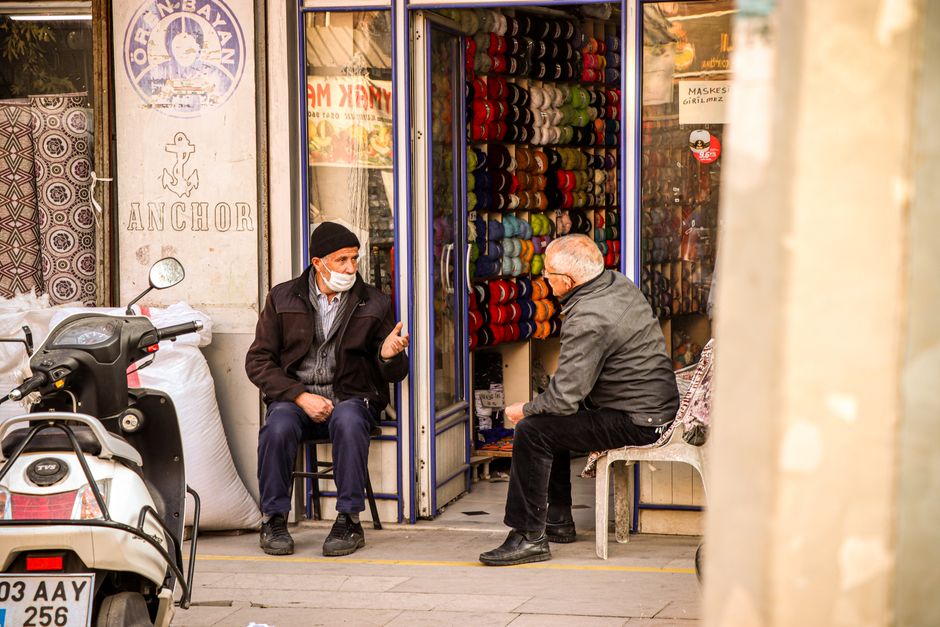
Living in a big city means living among strangers. That is not a bug. It is a feature. The anonymity of urban life is what allows us to reinvent ourselves, to move freely, to be left alone when we want to be. But anonymity has a cost. It can tip into isolation. It can make a building full of people feel like a mausoleum. The difference between a good block and a bad block is not architecture or income. It is whether people bother to be neighbors.
Being a good neighbor in a city is not about bake sales and block parties, though those are nice. It is about a hundred tiny, unglamorous decisions. It is about holding the elevator. It is about not blasting music at midnight. It is about learning the name of the person in 4B and using it. It is about understanding that your freedom ends where someone else's peace begins, and that the reverse is also true.
Urban neighborliness runs on a currency of small respect. You do not need to be friends with everyone on your floor. You do not need to organize a committee. You just need to acknowledge that you share space with other people who have their own schedules, their own struggles, their own reasons for living where they live. That acknowledgment can be as simple as not leaving your trash in the hallway. Or as generous as signing for a package when someone is not home.
These acts do not make headlines. They will not show up in a city report. But they are the difference between a building that feels like a community and a building that feels like a way station. And they are contagious. When someone sees you pick up a piece of litter in the lobby, they are more likely to do the same. When someone hears you say good morning, they are more likely to say it to the next person. Small kindnesses ripple.
But being a good neighbor also means knowing when to back off. It means not interrogating people about their lives. It means not assuming that everyone wants to chat. It means respecting closed doors and quiet hours. The best neighbors are the ones who are present but not intrusive. They are the ones who will lend you a screwdriver but will not ask why you need it. They are the ones who will water your plants when you are away but will not snoop through your mail.
In a city that is always changing, where people move in and out with dizzying speed, the good neighbor is an anchor. They are the person who remembers the old bakery that used to be on the corner. They are the person who knows which plumber actually shows up. They are the person who, in a small but real way, makes the block feel like a place rather than a pit stop. And that is something worth being.
