Neighborhoods
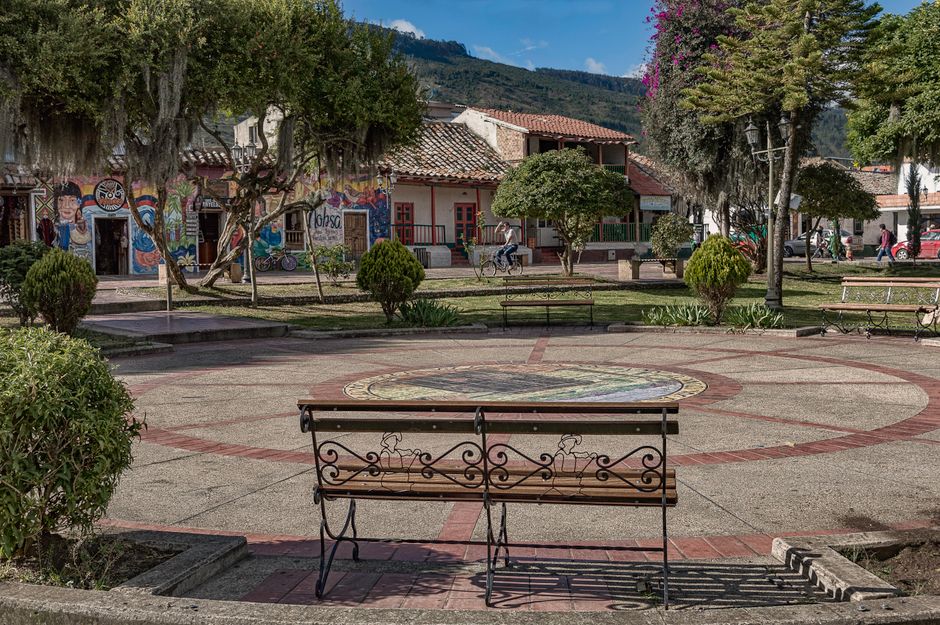
Some of the most beloved public spaces in any city aren't the famous ones. They're the tiny pocket parks tucked between buildings, the community gardens on former vacant lots, the benches under a single tree where the same group of retirees plays cards every afternoon. These spaces are easy to overlook, but they do outsized work. They cool the block, they give kids somewhere to run, and they turn strangers into neighbors. In a city where land is expensive and every square foot is contested, the pocket park is a quiet argument for the value of small things.
The idea isn't new. Many cities have been converting leftover scraps of land — alley ends, median strips, underused corners — into micro-parks for decades. What's changed is the recognition that these small spaces aren't just nice to have. They're essential infrastructure for a healthy neighborhood, especially in dense areas where private outdoor space is a luxury most residents can't afford.
A pocket park doesn't need much: a few trees, a bench or two, maybe a small playground or a community garden bed. But the effects ripple outward. Studies have shown that even small amounts of greenery can lower stress and improve mental health for people who live nearby. Trees provide shade and cool the surrounding streets, which matters more every summer. And the simple presence of a well-kept public space tends to reduce crime and increase foot traffic, which in turn supports local businesses.
Just as important is the social function. A pocket park gives a neighborhood a place to gather without spending money. It's where kids from different blocks meet, where dog owners trade tips, where a birthday party can happen without a reservation. In a city where so much social life happens indoors and costs money, a free, open, public space is a small piece of democracy. You don't need to buy anything to belong there.
The best pocket parks are usually the ones that residents build themselves. A community that organizes to clean up a vacant lot, plant some trees, and install a bench creates something more durable than a city-funded project, because the people around it feel ownership. Some cities support this by offering small grants, free trees, or streamlined permits for community-led park projects. Others have programs that let residents adopt a median or a traffic island and turn it into a garden.
If your block has a neglected corner, it's worth asking what it could become. Talk to neighbors. Find out who owns the land. Look for local groups that have done similar projects, because they'll know the shortcuts and the pitfalls. Start small — a few planters, a bench, a sign — and let it grow. The city is full of unused spaces that are one good idea away from becoming the best part of the block. A pocket park won't solve every problem, but it can change how a neighborhood feels. And that's not nothing.
